Masonry repair, brick repointing, and stonework for homes and buildings across Greater Boston, the South Shore, and the South Coast. Done clean, solid, and right the first time.
Brick, stone, and mortar can last well over a century in New England, but only when water is kept out and the joints are maintained. Most of the masonry we're called to fix didn't fail because the brick was bad. It failed because mortar wore out and nobody repointed it, because a chimney crown cracked and let water in for a few winters, or because an earlier repair used a mortar that was harder than the brick around it.
Kings Masonry & Construction handles masonry repair from the small jobs, like a few loose bricks on the front steps, to full chimney rebuilds, foundation wall repointing, and structural masonry repair on older buildings. We work on single-family homes, multi-family properties, and commercial buildings throughout Massachusetts, with most of our work in Greater Boston, the South Shore, Plymouth County, and the South Coast.
Every job starts with figuring out why the masonry is failing. If water is getting behind the brick, we find out where it's coming from before we touch a joint. That's how a repair holds up for decades instead of coming back after two winters.
Massachusetts has some of the most varied masonry in the country. In one week we might repoint a 1890s brick row house, reset granite steps on a Colonial, fill voids in a fieldstone foundation under a triple-decker, and rebuild a chimney on a 1950s Cape. Each of those uses different materials and needs a different approach, so we don't treat masonry repair as one-size-fits-all.
The bigger risk with masonry is waiting. A few open joints let water in, freeze-thaw cycles widen them every winter, and within a few seasons the brick itself starts to spall and loosen. Repointing a section of wall is a fraction of the cost of rebuilding it, and fixing a chimney crown is far cheaper than replacing ceilings and framing after years of leaks.
When you call us, we come out, look at the problem in person, and walk you through what we see, including what can wait and what can't. You get a written estimate that spells out the scope, the materials, and the timeline before any work starts. If a repair calls for a structural engineer or a permit, we'll tell you up front.
Residential Masonry Contractor
Chimneys, front steps, brick walls, stone foundations, retaining walls, and walkways for single-family homes, two-families, and triple-deckers.
Commercial Masonry Services
Brick facade repointing, parapet wall repair, masonry restoration, and structural repairs for apartment buildings, storefronts, and mixed-use properties.
Brick Pointing Contractors in Massachusetts
Masonry repair covers a lot of ground. Here's what each service involves, when it's the right call, and how we approach it on Massachusetts homes and buildings.
Brick Pointing & Repointing
Repointing means grinding or raking out deteriorated mortar to a consistent depth, usually about two and a half times the joint width, and packing in new mortar in layers. It's the single most common masonry repair we do, and the one most often done wrong.
Joints cut out cleanly without chipping brick edges
Mortar matched for strength, color, and texture
Packed in lifts and tooled to match the original joint profile
Tuckpointing
Tuckpointing uses two mortar colors: one matched to the brick to fill the joint, and a thin contrasting line to create a crisp, uniform joint. It's a finish choice as much as a repair, and it's common on older brick facades and chimneys where the look matters.
Not sure whether you need tuckpointing or repointing? We'll tell you after looking at the wall.
Brick Repair & Replacement
Spalled, cracked, or crumbling bricks are cut out and replaced individually, without disturbing the sound brick around them. We source reclaimed or new brick that matches size, color, and texture as closely as possible, which matters on older homes where modern brick sizes don't line up.
Spalling and face-popped brick replacement
Loose brick reset on steps, caps, and walls
Stair-step crack repair with stitching where needed
Structural Masonry Repair
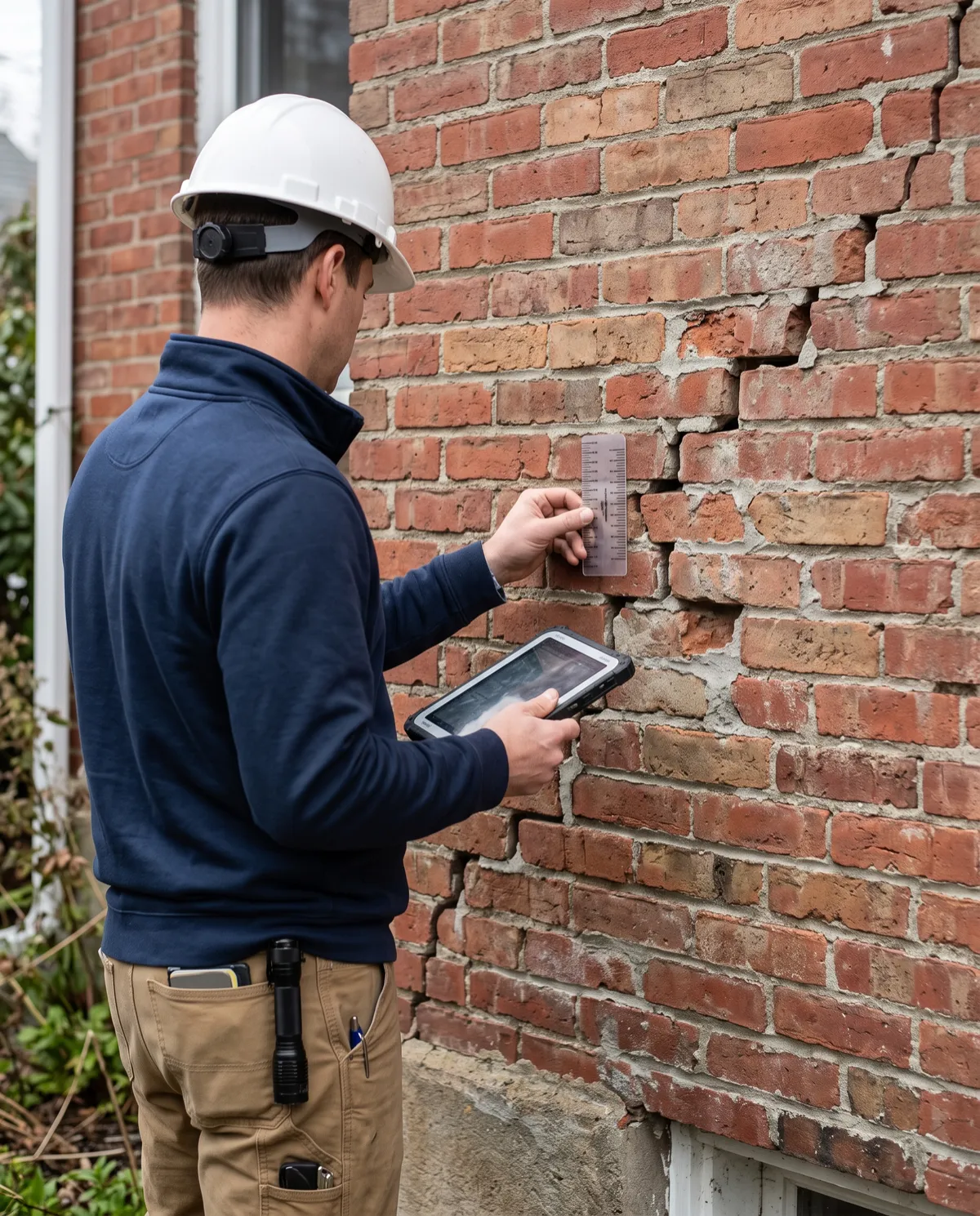
When a wall is bulging, a lintel has rusted and cracked the brick above a window, or a section has separated from the structure, it's past cosmetic. Structural masonry repair can mean partial rebuilding, helical stitching ties, lintel replacement, or rebuilding a parapet from the roofline up.
We'll tell you plainly whether a crack is cosmetic or structural, and if it needs an engineer, we'll say so.
Stonework Repairs & Stone Masonry
Fieldstone and granite foundations, stone retaining walls, and stone veneer all need a softer touch than brick. Stone doesn't absorb water the same way, and old stone walls were often laid with lime mortar that has to be matched, not replaced with straight cement.
Stone foundation repointing and void filling
Retaining wall resetting and rebuilding
Stone veneer and stone step repair
Masonry Restoration for Older & Historic Buildings
Much of eastern Massachusetts was built before 1940, when mortar was mostly lime-based and brick was softer than it is today. Restoring that masonry means using materials that let the wall breathe and move the way it was designed to. Hard modern mortar on old brick traps moisture and causes the brick faces to break off.
Brick Steps, Stairs & Walkways
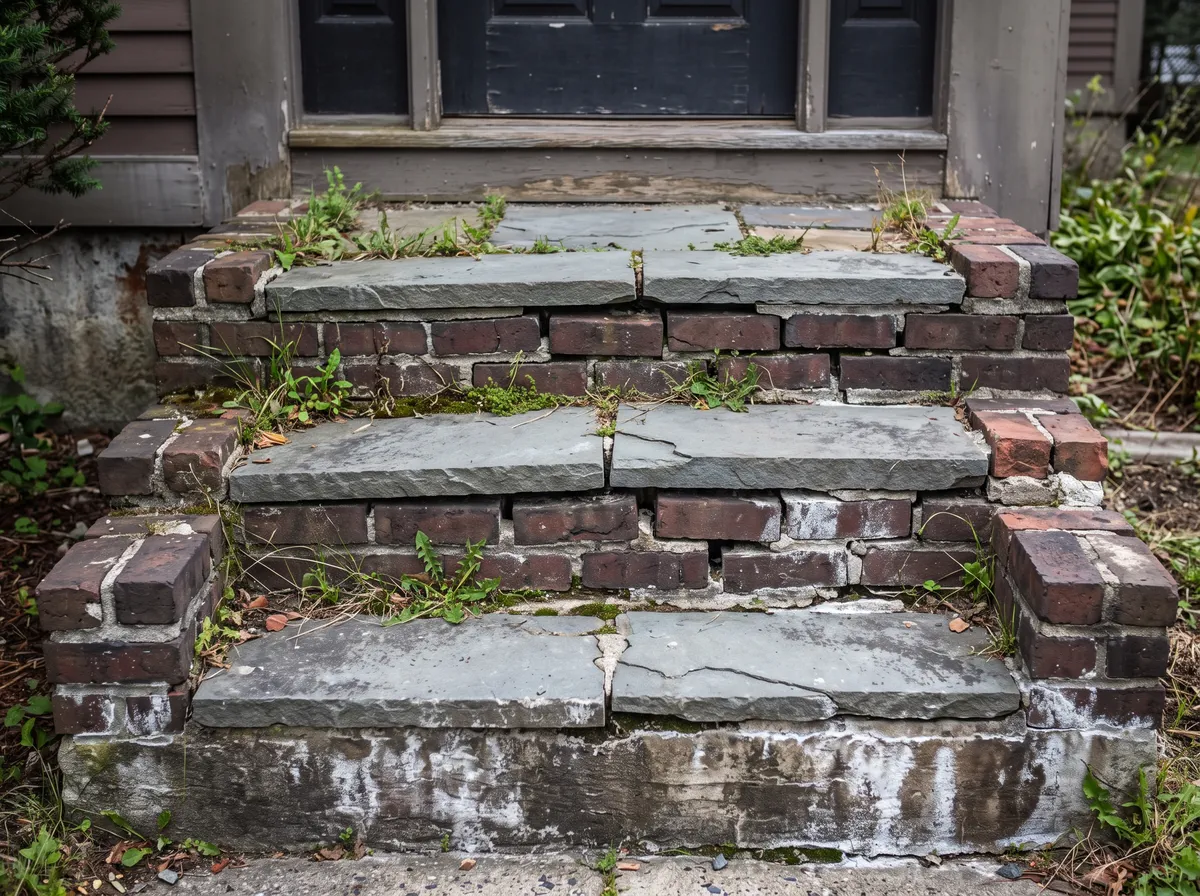
Front steps take more abuse than any other masonry on a house: foot traffic, de-icing salt, snow shovels, and frost heave from the ground underneath. We repoint, reset, and rebuild brick and stone steps, and repair concrete steps and walkways so they're level and safe.
Brick Sealing & Water Protection
Sealing isn't a substitute for repair, and the wrong sealer can trap moisture inside the wall. Once joints are sound and the water source is fixed, a breathable water repellent can help exposed chimneys and facades shed water. We'll only recommend it where it actually helps.
TESTIMONIALS
What our clients are saying
★ ★ ★ ★ ★
I hired Kings Masonry & Construction to apply a waterproofing coating to my home’s exterior foundation, and they did a solid job. The crew was professional, cleaned up after themselves, and finished the work in a day. I appreciated how they answered my questions and made sure I was comfortable with the plan before starting. A few months in, everything’s still looking good, and I haven’t had any water issues. Highly recommend them for this kind of work.
Hugo Palm
★ ★ ★ ★ ★
John and his team did an excellent job rebuilding our chimney and replacing the flashing to ensure it was watertight. He was very friendly, communicative and a pleasure to work with! Great quality work at a reasonable price, they were done within the day.
Sneha Kanaujia
★ ★ ★ ★ ★
I had my roof and deck replaced by John. Looks great and professionally done, and the one thing that stood out with John is that when he says he'll do something, you don't have to worry that it'll get done. I'll be using him for my brick pointing repair in the future!
Tak Szeto
★ ★ ★ ★ ★
John from Kings Masonry repointed our front steps and fixed a few loose bricks and we’re really pleased with the results. He listened carefully to what we wanted gave helpful advice, and kept us updated about weather delays professional and did exactly what he said he would great job.
Harvey Byrne
★ ★ ★ ★ ★
John and his team did a great job fixing a leak in our flat roof garage. He showed us photos of the work and explained everything clearly. Really professional and easy to deal with definitely recommend.
Zac Read
★ ★ ★ ★ ★
John and his team did an amazing job rebuilding and repointing our chimney. Clear and professional communication all around and the craftsmanship is great.
Will definitely recommend King Masonry to friends and family.
David Nagelberg
★ ★ ★ ★ ★
Excellent craftsmanship and very professional service. The owner gave us a fair price, did beautiful work, and made sure everything was cleaned up afterward. Really happy with how it all turned out.
Rudy Graham
★ ★ ★ ★ ★
John at Kings Masonry does excellent work! Professional reliable and pays great attention to detail. Highly recommend his services!.
Hayden Thomson
★ ★ ★ ★ ★
Kings Masonry built a beautiful stone wall for our garden. The team was skilled used quality materials and nailed the design There was a minor scheduling delay, but they finished on time and kept us updated Really happy with the result we will defo recommend!
Talia Fenwick
★ ★ ★ ★ ★
John did an awesome job! Their work is top notch and finished on time, and kept us in the loop. Our place looks great. Worth recommend them.
Ralphy Cooper
★ ★ ★ ★ ★
Another fantastic job from Kings and his team! I've had John work on two of my properties before, and this is now the third time. Every time, John and his team deliver excellent results — fast, professional, and at a fair price. They always leave the place clean and tidy, and their work really speaks for itself. Thanks again, mate!
Chakravarti Kayal
★ ★ ★ ★ ★
Needed some quick masonry work on the front steps. John showed up right away did a great job, and charged a fair price. I’d definitely hire him again.
Lucia Corral Wega
Structural Masonry Repair, Done Right
Proper masonry repair fixes the underlying cause, not just the surface. Patching a crack without addressing moisture or material compatibility almost always leads to the same failure coming back.
STEP 01
Diagnose First
We inspect the wall, chimney, or foundation, find where water is getting in, and check whether the damage is cosmetic or structural, from triple-deckers to colonial stone foundations.
STEP 02
Match Materials
Mortar that's too hard for older brick or stone restricts natural movement. We match mortar strength, color, and texture to your existing structure.
STEP 03
Fix the Moisture Path
Repointing without fixing flashing, caps, or drainage just resets the clock on the same problem. We address the source.
STEP 04
Built for New England
Freeze-thaw cycles are constant here. Our repairs are done to hold up through them, not just look good the day we finish.
Brick Repair in MA: Problems We Fix
Older housing stock, long freeze-thaw winters, coastal air, and decades of patch repairs create the same handful of masonry problems over and over. These are the ones we see most often, and what we do about them.
Freeze-thaw damage
Spalling Brick and Crumbling Mortar After Winter
Water soaks into brick and mortar in the fall, freezes, expands, and thaws again, sometimes dozens of times a season. Each cycle pushes the material apart a little more until brick faces pop off and joints turn to sand.
How we fix it
We replace spalled brick, repoint failed joints, and track down why the wall is staying wet: missing caps, bad flashing, or downspouts dumping against the wall.
Wrong mortar
Hard Cement Repairs on Old, Soft Brick
A lot of Boston-area brick was laid with soft lime mortar. When it's later repointed with a hard Portland cement mix, the joint becomes stronger than the brick. Moisture can't escape through the joint anymore, so it leaves through the brick face instead and destroys it.
How we fix it
We remove the incompatible mortar and repoint with a mix matched to the original, often a lime-rich or Type O/N mortar.
Chimney leaks
Water Stains Around the Chimney and in the Attic
Chimneys on triple-deckers, Colonials, and Victorians are often the most neglected masonry on the house. A cracked crown, failed flashing, or open mortar joints near the top lets water run down inside the chimney and into ceilings and walls.
How we fix it
We inspect the crown, cap, flashing, and upper courses, then repair, repoint, or rebuild above the roofline as needed.
Stone foundations
Old Fieldstone and Granite Foundations Losing Mortar
Many older homes around Boston sit on fieldstone or granite rubble foundations. Over a century, the mortar between the stones washes out, leaving voids that let in water, pests, and cold air, and that can let stones shift.
How we fix it
We clean out loose material, fill deep voids, and repoint with a compatible mortar, then look at grading and drainage outside.
Efflorescence
White Powder and Damp Spots on Brick Walls
That white, chalky residue is salt left behind as water moves through the masonry and evaporates. It isn't damage on its own, but it's a sign water is getting into the wall, and that water is what causes the real damage.
How we fix it
We find the moisture source, repair joints and flashing, then clean the brick with methods that won't scar it.
Brick buildings
Failing Parapet Walls and Facades on Brick Buildings
Brick row houses and apartment buildings with flat roofs usually have parapet walls. Exposed on both sides and the top, they deteriorate faster than any other part of the facade, and loose brick at roof height is a safety hazard.
How we fix it
We repoint or rebuild parapets, reset or replace coping, and coordinate with roof flashing.
Steps & walkways
Loose, Sinking, or Cracked Front Steps
De-icing salt eats mortar, and frost heave moves the ground under the steps every winter. The result is loose treads, open joints, and steps that pull away from the house.
How we fix it
We reset loose brick and stone, repoint, and rebuild on a proper base when the steps have settled.
Coastal exposure
Salt Air Wear on South Shore and South Coast Masonry
Closer to the water, wind-driven rain and salt air speed up mortar erosion and brick decay, especially on chimneys and seawall-facing walls.
How we fix it
We use mortar suited to marine exposure and focus on shedding water at caps and crowns.
Signs You Need Masonry Repair
Masonry problems rarely start as major failures. They usually begin with small, easy to miss signs, and by the time damage is obvious, the repair is often more involved than it needed to be.
Cracked, crumbling, or missing mortar joints
Bricks or stones that feel loose or have visibly shifted
Water stains or white residue (efflorescence) on walls
Eroded chimney bricks or a leaning chimney crown
Gaps where flashing meets brick or siding
Uneven or cracked concrete steps and walkways
Stair-step cracks running diagonally through brick walls
Brick faces flaking, popping off, or turning powdery
Cracks above windows and doors where lintels sit
Why It Matters
Masonry doesn't fail all at once. Moisture works into joints, materials shift with the seasons, and repeated freeze-thaw cycles gradually weaken the bond holding brick, stone, and mortar together. Catching these signs early keeps a small repointing job from turning into a full rebuild.
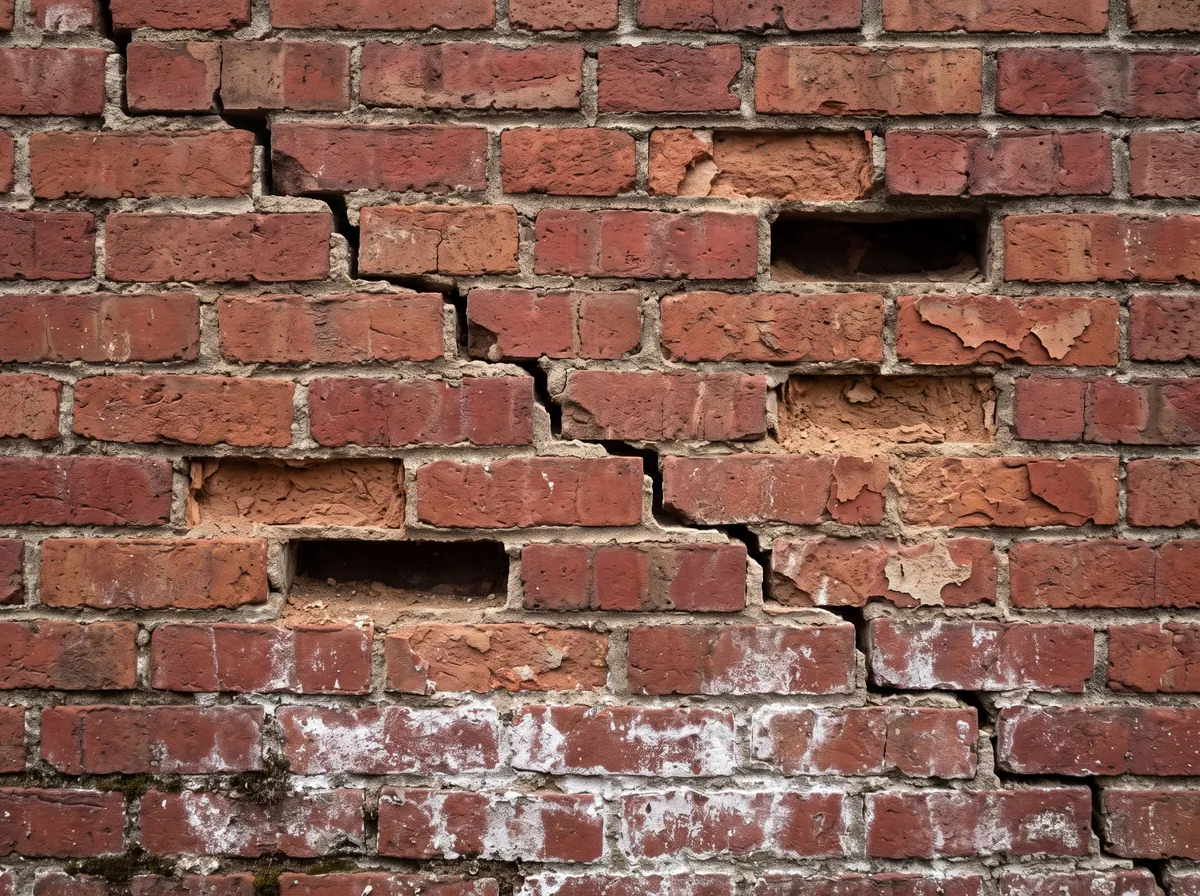
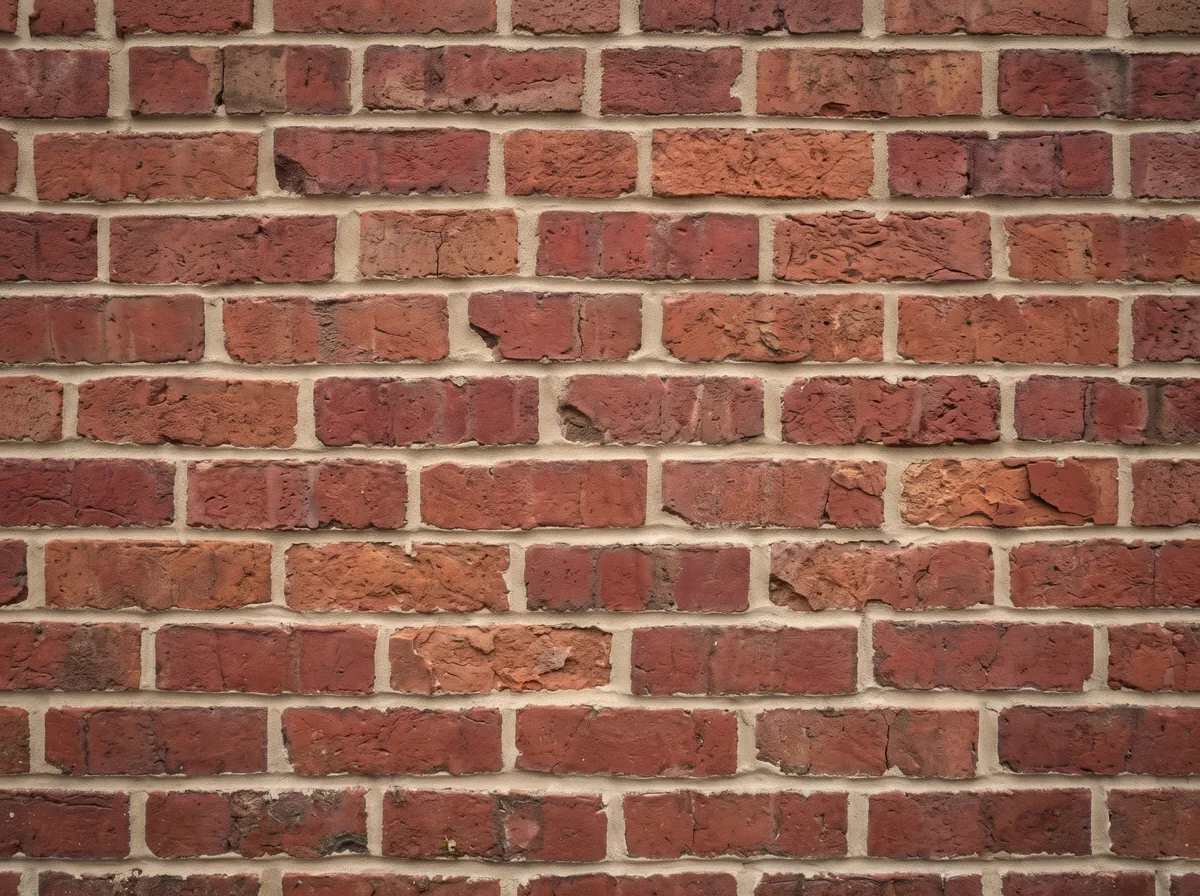
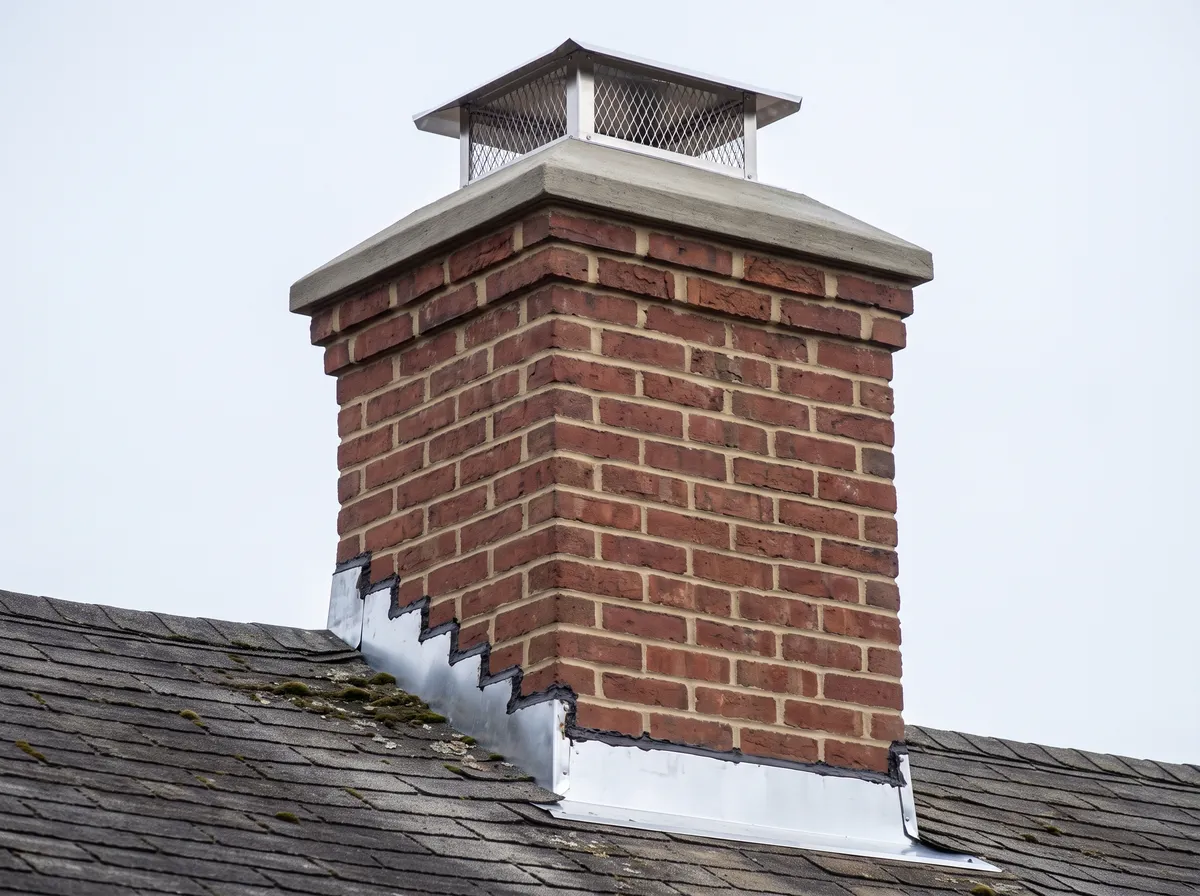
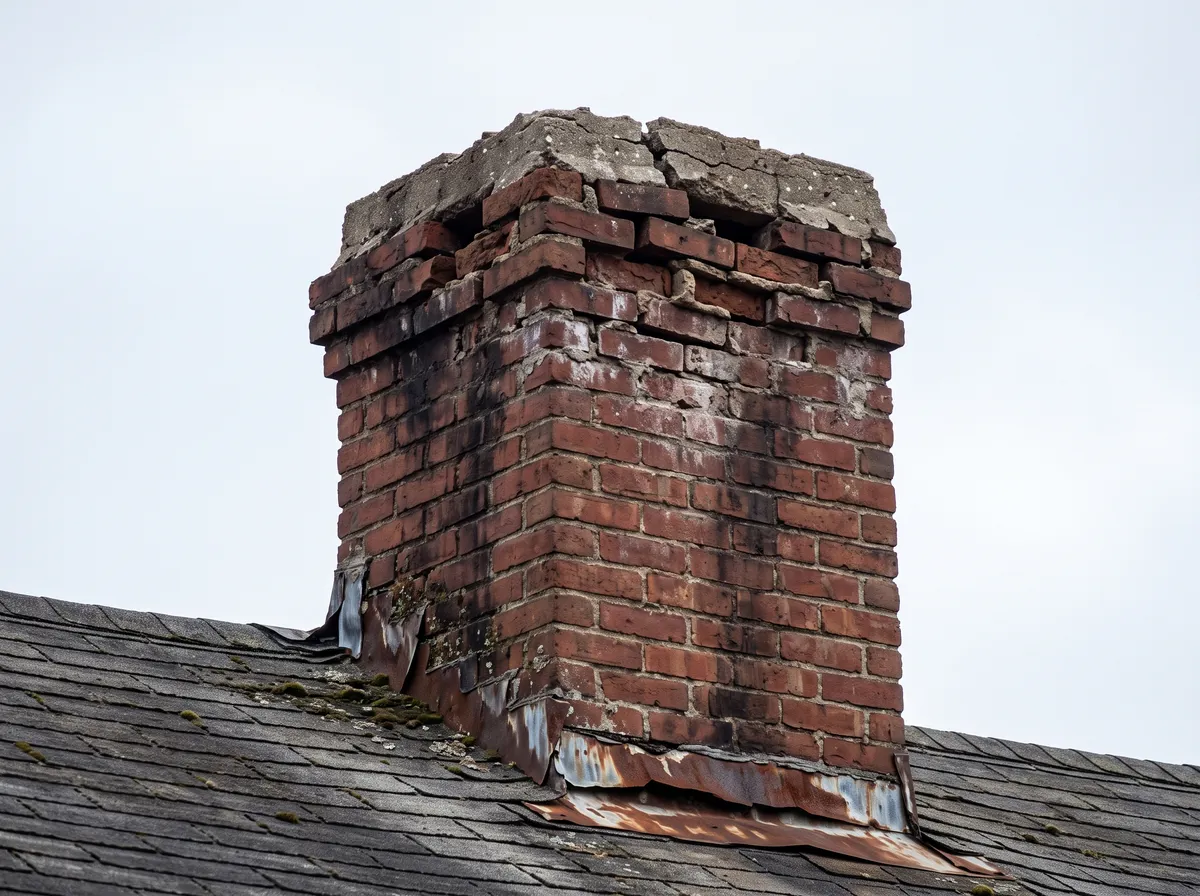
Brick & Stone Restoration: Before & After
Drag the slider to compare. Good masonry repair restores the look of brick and stone and, more importantly, its ability to keep water out.
BeforeAfter
Brick Wall Repair & Repointing
Cracked, spalled, and missing brick replaced with matched units, eroded joints cut out and repointed, and efflorescence cleaned off.
BeforeAfter
Chimney Rebuild & New Crown
Loose upper courses rebuilt, joints repointed, a new crown formed to shed water, and flashing replaced at the roofline.
BeforeAfter
Front Steps Brick Repair
Loose treads reset on a solid bed, broken brick replaced, and every riser repointed so the steps are level and safe.
Mortar for Brick Masonry in MA
The mortar matters as much as the workmanship. Mortar should always be softer and more breathable than the brick or stone around it, so the joint wears instead of the masonry. These are the mortar types we work with and where each one belongs.
Mortar Type
Relative Strength
Where We Use It
Not Ideal For
Lime Mortar (NHL)
Softest, most breathable
Pre-1940 brick, historic buildings, fieldstone and rubble foundations
Below-grade or heavily loaded new work
Type O
Low (about 350 psi)
Repointing soft, older brick; interior and sheltered walls
Exposed parapets, caps, and areas that stay wet
Type N
Medium (about 750 psi)
General above-grade brick walls, chimneys, and most repointing on newer brick
Retaining walls and below-grade foundations
Type S
High (about 1,800 psi)
Foundations, retaining walls, steps, and masonry at or below grade
Soft historic brick
Type M
Highest (about 2,500 psi)
Heavy-load and below-grade structural work
Almost all repointing, especially on older masonry
Strength values are ASTM C270 minimum compressive strengths for new mortar.
Masonry Repair Cost in Massachusetts
No two masonry jobs are priced the same. After we inspect the work, you get a written estimate that explains exactly what's included. These are the factors that move the number most.
Square Footage & Joint Condition
How much wall needs repointing, and how deep the mortar has failed, drives most of the labor on a repointing job.
Access & Height
A second-story chimney or a three-story facade needs staging or lifts. Ground-level steps don't.
Brick & Stone Matching
Reclaimed or custom-matched brick costs more than standard stock, but it's what keeps an older home looking right.
Mortar Type
Lime mortars for historic work take more time to mix, place, and cure than standard cement-based mortar.
Hidden Water Damage
Once joints are opened, we sometimes find rusted lintels or wet backup brick that needs attention too. We'll show you before doing extra work.
Repair vs. Rebuild
Repointing is far less expensive than rebuilding. Fixing problems early is the best way to keep it that way.
15+Years in masonry
Meet John
Meet Your Brick Mason in MA
John, Lead Mason at Kings Masonry & Construction
When you call Kings Masonry, you're not handed off to a rotating crew you'll never see again. John leads the work on our masonry jobs, from the first inspection to the final walkthrough, and he's the name our clients mention most in their reviews.
His approach is simple: look at the whole wall before quoting a single joint. That means checking the flashing, the crown, the grading, and the downspouts, because most masonry damage starts with water that's coming from somewhere else. Clients get a clear explanation of what's wrong, photos of the work as it happens, and updates when New England weather pushes the schedule.
We work with homeowners and businesses throughout Greater Boston, the South Shore, Plymouth County, and the South Coast. These are the towns we serve most often for masonry, chimney, foundation, and drainage work.
Greater Boston Metro
Boston, MA
Brookline, MA
Newton, MA
Dedham, MA
South Shore
Braintree, MA
Norwood, MA
Hingham, MA
Weymouth, MA
Rockland, MA
Abington, MA
Cohasset, MA
Brockton & Surrounding Towns
Brockton, MA
Randolph, MA
Stoughton, MA
Holbrook, MA
Raynham, MA
Pembroke, MA
Marshfield, MA
Kingston, MA
Plymouth County
Taunton, MA
Plymouth, MA
Carver, MA
Middleborough, MA
Lakeville, MA
Norton, MA
Mansfield, MA
South Coast
Wareham, MA
Marion, MA
Mattapoisett, MA
Rochester, MA
Acushnet, MA
New Bedford, MA
Dartmouth, MA
Westport, MA
Fairhaven, MA
Complete Masonry, Chimney &
Foundation Solutions
We offer a full suite of structural and masonry services to keep every part of your home protected, sound, and looking its best.
Chimney Repair & Rebuilding
Chimneys are exposed to weather from all sides, which causes faster wear and joint failure. Proper chimney masonry repair helps prevent water entry, loose brick, and structural risk.
Stone masonry requires precision to prevent movement and surface damage. Repairs focus on restoring stability while preserving the natural look of the stone.
Concrete steps and walkways take constant foot traffic and weather exposure, leading to cracking, settling, and surface wear. We rebuild these to be solid, safe, and level.
Straight answers to the questions homeowners and property managers ask us most.
How do I know if my masonry needs repair?
Look for cracked or missing mortar, loose bricks or stones, gaps around flashing, water stains inside, white residue on the brick, and brick faces that are flaking off. If you can scratch mortar out of a joint with a key, it's time to have it looked at.
Is cracked masonry always a structural problem?
No. Hairline cracks in mortar joints are often cosmetic. Stair-step cracks through brick, cracks that are getting wider, bulging walls, or cracks above windows and doors can point to movement or a failing lintel. An inspection tells you which one you're dealing with.
What's the difference between repointing and tuckpointing?
Repointing replaces failed mortar to restore the joint. Tuckpointing is a finishing technique that uses a brick-colored mortar plus a thin contrasting line to create a sharp joint. Both start with removing old mortar. Most homes need repointing; tuckpointing is usually chosen for appearance.
How often does brick need to be repointed?
Well-done mortar joints typically last 25 years or more, depending on exposure. Chimneys, parapets, and steps wear out faster than sheltered walls because they take more water, weather, and salt.
When is the best time of year for masonry repair in Massachusetts?
Spring through fall is ideal because mortar needs temperatures above freezing to cure properly. We can do some repairs in colder months with protection and heat, and emergency repairs, like a loose chimney or falling brick, shouldn't wait.
What causes masonry to fail over time?
Moisture is behind most failures: freeze-thaw cycles, failed flashing or crowns, poor drainage, and past repairs done with mortar that's too hard for the brick. Age and salt exposure speed it up.
Can masonry be repaired, or does it need to be replaced?
Most masonry can be repaired with repointing, brick replacement, or selective rebuilding of a damaged section. Full rebuilding is reserved for walls or chimneys that have lost structural integrity.
How long does masonry repair usually last?
When the right materials are used and the water source is fixed, repairs can last for decades. Durability depends on workmanship, mortar compatibility, and how exposed the masonry is.
Do you provide estimates before starting work?
Yes. We inspect the masonry, explain what we found and what we recommend, and give you a clear written estimate before any work begins. Call (857) 249-5127 or contact us to schedule.
Request Your Free Estimate
We handle brick repairs, chimney rebuilds, repointing, walkways, stairs, and other masonry services with expert care and reliable results.
Skilled in brick, stone, and chimney work, we deliver durable, high-quality masonry services that keep Boston homes safe, strong, and looking their best.
Skilled in brick, stone, and chimney work, we deliver durable, high-quality masonry services that keep Boston homes safe, strong, and looking their best.